
If you’re a woman experiencing hair thinning or loss, you may have heard about DHT blockers as a potential solution. Dihydrotestosterone (DHT) is a hormone that plays a major role in hair loss, especially for women going through hormonal changes like menopause.
While DHT blockers can be highly effective in reducing hair loss, they come with certain side effects that need careful consideration. Our specialists understand how important it is for you to be well-informed about these potential risks so you can make the best choice for your health and hair restoration.
In this guide, we’ll walk you through the side effects of DHT blockers in women, from hormonal disruptions to scalp irritation, and offer guidance on how to minimize these effects for optimal results.

What Is DHT & Its Role In Hair Loss For Women
DHT is an androgenic hormone that plays a key role in the development of male characteristics, including body and facial hair growth. In women, DHT is naturally present but in lower levels.
However, an imbalance, particularly the increase of testosterone relative to estrogen, can lead to excessive DHT production, which in turn can cause female pattern hair loss (FPHL).

Estrogen is a primary protective factor for women, helping to block the uptake of DHT into hair follicle receptors. However, as women age, especially after the age of 35, their estrogen levels naturally decline, allowing DHT to have a more significant impact on their hair health.
This is particularly evident during menopause when estrogen levels drop significantly, and DHT may start to affect the hair follicles more profoundly, causing thinning and shedding.
How Do DHT Blockers Work for Women?
DHT blockers help mitigate the impact of DHT on hair follicles by preventing its binding to receptors in the scalp. These treatments come in both topical and oral forms, and each has its benefits and limitations.

- Topical DHT Blockers: Products like Nutra M, which contains melatonin, have been shown to block DHT at the scalp level by mimicking estrogen’s action. This localized treatment helps prevent systemic side effects, making it safer for women.
- Oral DHT Blockers: Medications like Finasteride and Spironolactone work systemically to reduce DHT levels in the bloodstream. These blockers are commonly prescribed for female hair loss, especially in cases related to hormonal imbalances.
While these treatments can be effective, it is important to understand the potential side effects.
What Are The Side Effects of DHT Blockers in Females
Although DHT blockers can help restore hair growth, they may come with side effects that can vary depending on the treatment type, whether topical or oral. Below are some common and noteworthy side effects that females may experience when using DHT blockers.
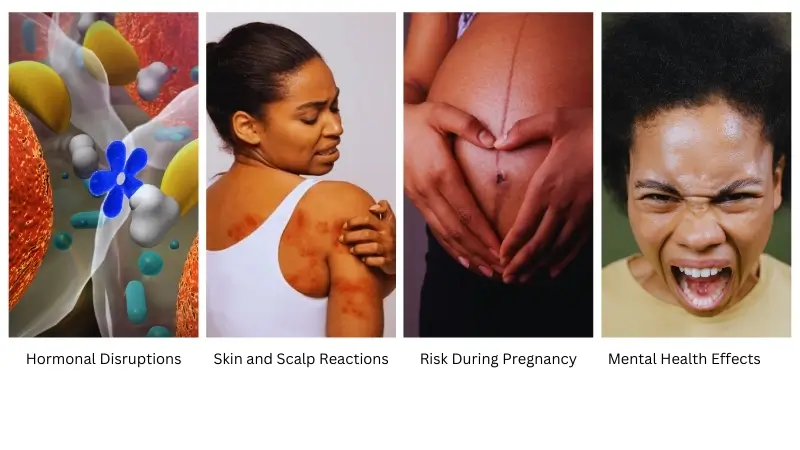
1. Hormonal Disruptions
The most common side effects of oral DHT blockers are related to hormonal changes. These medications are designed to lower DHT levels, but in doing so, they may also interfere with other hormone balances in the body.
-
- Libido Decrease: Oral DHT blockers like Finasteride and Spironolactone can sometimes reduce sexual desire. This occurs due to the way these medications influence the body’s testosterone and estrogen levels.
- Changes in Menstrual Cycle: Women using oral DHT blockers may experience changes in their menstrual cycle. These could include irregular periods or changes in menstrual flow, as the hormonal effects of these medications alter the balance between estrogen, progesterone, and testosterone.
- Breast Tenderness: This is a common side effect of Spironolactone. It can cause discomfort in the breasts due to its impact on hormonal levels. If this becomes uncomfortable or persistent, a healthcare provider may adjust the dosage or suggest an alternative treatment.
2. Skin and Scalp Reactions
Topical DHT blockers are generally safer than oral medications because they target the hair follicles directly without affecting the whole body. However, some users may still experience skin-related side effects.
-
- Scalp Irritation: Some women may develop irritation, redness, or itching on the scalp when using topical DHT blockers like Nutra M. This can be caused by an allergic reaction or sensitivity to one of the ingredients.
- Skin Sensitivity: While less common, some individuals may experience general skin sensitivity or rashes when using DHT blocking products, especially if they have sensitive skin.
Tip: If you experience any skin irritation, consult with your dermatologist or hair specialist. Switching to a different topical treatment or reducing the application frequency may help alleviate these symptoms.
3. Risk During Pregnancy
Finasteride and other 5-alpha reductase inhibitors (used for blocking DHT) can be harmful to pregnant women or women who may become pregnant. These medications are known to cause birth defects in male fetuses, which is why handling or using DHT blockers during pregnancy is strongly discouraged.
If you are planning to conceive or are pregnant, it’s essential to consult with your doctor before starting any DHT-blocking treatment. Our doctors recommend using natural, non-systemic treatments or topical options that carry fewer risks during this sensitive time.
4. Mental Health Effects
There is some evidence suggesting that systemic DHT blockers like Finasteride may have an impact on mental health, causing symptoms such as brain fog or depression. These side effects are relatively rare but worth considering if you begin to notice changes in your mood or cognitive function while using DHT blockers.
If you experience any mental health disturbances, it’s important to speak with your healthcare provider. Adjusting your treatment plan may be necessary to minimize these effects.
How to Manage DHT Blocker Side Effects
While the side effects of DHT blockers can be concerning, they can often be mitigated with careful monitoring and medical guidance. Here are some strategies to minimize side effects and get the most out of your treatment:
- Consult with Your Doctor: Before starting any DHT-blocking treatment, ensure you have a comprehensive blood test to assess your hormonal levels. Our specialists recommend testing for testosterone and DHEA to identify any imbalances that could contribute to your hair loss.
- Start with Topical Treatments: If you’re concerned about systemic side effects, consider beginning with a topical DHT blocker like Nutra M, which is less likely to cause hormonal disruptions. Topical treatments like these are more targeted, and since they don’t circulate in the bloodstream, they generally cause fewer side effects.
- Monitor Your Body’s Response: Keep track of any changes you experience while on treatment, including shifts in your menstrual cycle, mood, or skin reactions. If you notice anything unusual, contact your healthcare provider for guidance.
- Adjust Dosage as Needed: If you are using oral medications like Finasteride, speak with your doctor about potential dosage adjustments if you experience significant side effects. In some cases, reducing the dosage or switching to a different DHT blocker can help alleviate symptoms.
- Consider Natural Supplements: If you’re hesitant about pharmaceutical treatments, consider starting with natural DHT blockers such as Saw Palmetto, Pumpkin Seed Oil, or Stinging Nettle. These herbal remedies have shown promise in reducing DHT without causing significant hormonal changes.

 Chat on Whatsapp