
If you’re noticing unexplained hair thinning or hair loss, it’s important to consider the role of essential nutrients like folic acid. Folic acid, also known as Vitamin B9, is crucial for the body’s cell division, red blood cell production, and tissue regeneration, all of which are essential for healthy hair growth.
Our specialists often find that low folic acid levels can lead to compromised hair health, including slower hair growth, thinning, and even excessive shedding.
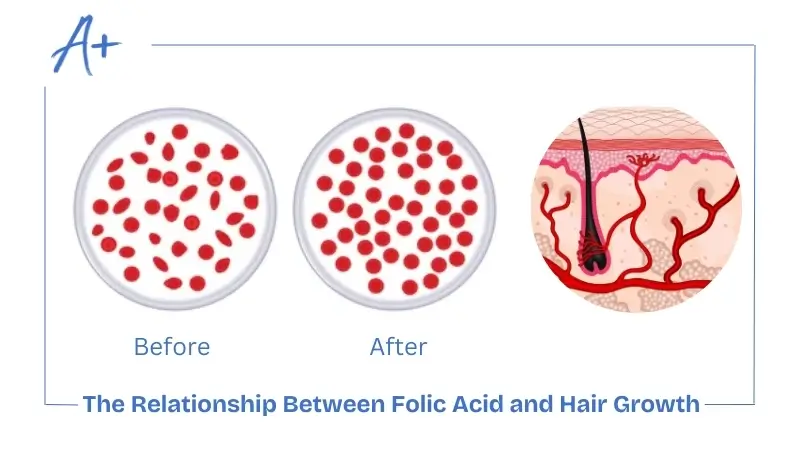
Folic acid directly impacts the nourishment of hair follicles by supporting healthy blood circulation and oxygen transport, both of which are vital for keeping hair follicles strong and active.
Folic Acid’s Role in Cellular Health
Folic acid is instrumental in promoting cellular health across all systems of the body. Its primary function is to support cell division and regeneration, which are crucial for tissue repair and growth. Hair follicles, like other body tissues, rely on these processes for healthy development.
One of the key roles of folic acid in hair health is its involvement in red blood cell production. Red blood cells are responsible for transporting oxygen and essential nutrients throughout the body. For your hair follicles to thrive, they need a constant supply of these elements.
Why Healthy Circulation Matters for Hair Health
Our dermatology specialists emphasize the importance of adequate circulation in promoting healthy hair growth. Red blood cells rich in oxygen and nutrients are essential for nourishing the hair follicles.
Low folic acid levels compromise this circulation, leading to hair follicles that are starved of the nutrients they need for optimal function. This nutrient deficiency can make it difficult for the hair follicles to produce healthy, new strands of hair.
How Low Folic Acid Levels Lead to Hair Loss
When the body is deficient in folic acid, cell division slows down, affecting the rate at which hair cells regenerate. Hair growth requires a steady cycle of cell turnover, where new cells replace those that have died or fallen out.
Folic acid supports the growth of keratin-producing cells, which are essential for building healthy hair. Without sufficient folic acid, the production of these new hair cells can be delayed, leading to slower hair growth and eventual hair thinning.
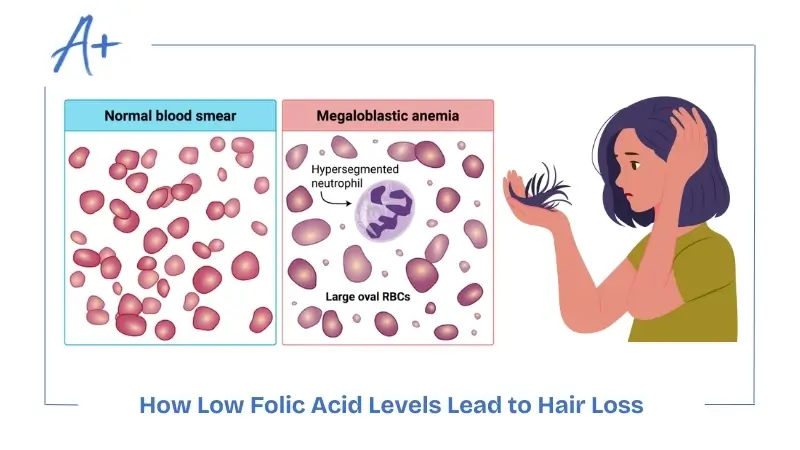
One of the most direct consequences of folic acid deficiency is the development of megaloblastic anemia. This condition occurs when the body produces unusually large and dysfunctional red blood cells.
Since these cells are unable to efficiently transport oxygen and nutrients, the hair follicles suffer from reduced nourishment, which can lead to hair thinning or even hair loss.
Our specialists note that anemia is often accompanied by fatigue, pale skin, and shortness of breath. However, one of the less recognized symptoms of anemia is hair loss. Poor blood circulation affects the scalp’s ability to support hair growth, which can ultimately result in significant hair shedding.
What is the Impact of Chronic Folic Acid Deficiency on Hair Health
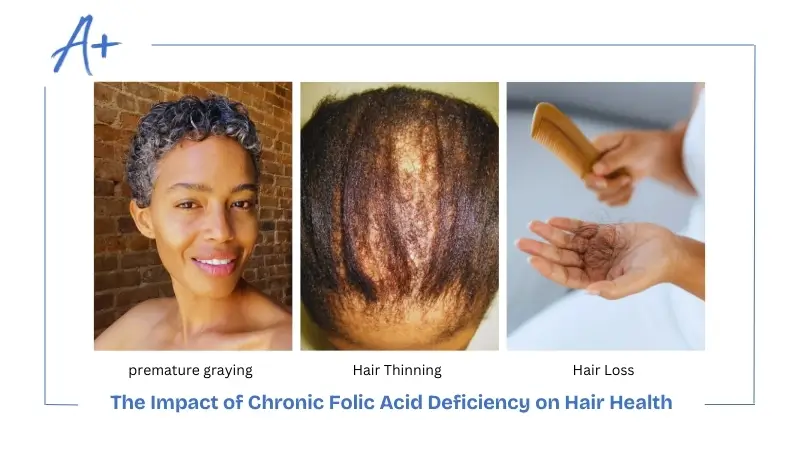
A chronic folic acid deficiency can lead to more than just temporary hair thinning. Over time, if left unaddressed, this deficiency can lead to irreversible damage to the hair follicles. The regenerative ability of hair cells is compromised, leading to stunted growth and eventual hair loss.
Additionally, sebaceous (oil-secreting) cells and dermal papilla cells, which are responsible for maintaining scalp health and regulating the hair growth cycle, are also negatively affected by folic acid deficiency.
Our dermatology experts stress the importance of these cells for maintaining a healthy scalp environment conducive to hair growth.
Another concerning symptom of low folic acid is premature graying. Folic acid plays a role in the production of melanin, the pigment responsible for the color of your hair.
When folic acid is deficient, the production of melanin is affected, leading to gray or white hair. In addition to the loss of hair color, the overall health and thickness of the hair may decline due to poor follicle nourishment.
Clinical Evidence and Studies on Folic Acid and Hair Loss
Clinical studies have shown that folic acid deficiency is linked to various forms of hair loss. For example, studies on animal models have demonstrated that when animals are given insufficient folic acid, they experience gradual hair loss and thinning, similar to what is seen in humans.
These findings provide evidence that folic acid plays a critical role in maintaining healthy hair follicles and promoting hair growth.
In addition to clinical research, there have been numerous personal experiences shared by individuals who have noticed improvements in their hair health after supplementing with folic acid.
One example includes people who have taken daily folic acid supplements and documented their results. Some individuals, for instance, have reported inches of hair growth after completing a 100-day folic acid challenge.
However, our specialists advise that supplementation should be done under medical guidance to avoid potential side effects or complications.
How to Address Folic Acid Deficiency for Healthy Hair
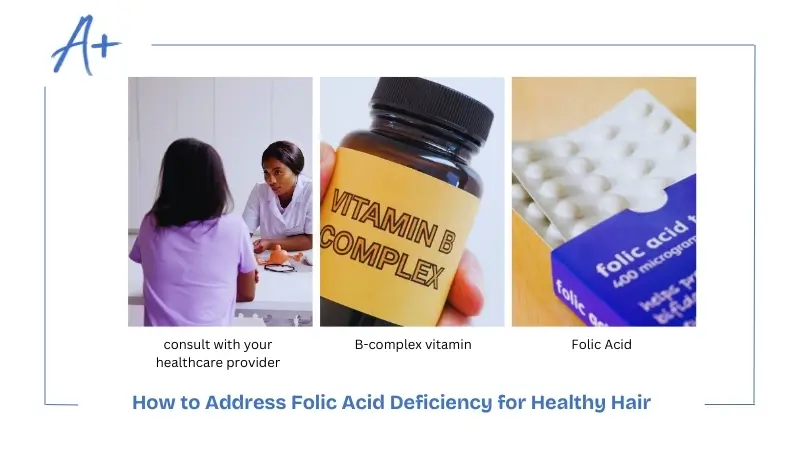
If you suspect that low folic acid levels are contributing to your hair loss, the first step is to consult with your healthcare provider. Our nutritionists recommend that you get a blood test to determine if you have a folic acid deficiency.
If supplementation is necessary, 400–1000 micrograms of folic acid daily is typically recommended. It’s important to take folic acid supplements with food to minimize the risk of stomach upset.
Folic acid works best when combined with other essential vitamins and minerals. Vitamin B12, Vitamin C, and biotin all contribute to hair health.
Our doctors frequently recommend a B-complex vitamin or a multivitamin that includes folic acid and these complementary nutrients. Together, these vitamins support the synthesis of keratin (the protein that makes up your hair) and promote healthy hair growth.
Frequently Asked Questions
What vitamin am I lacking if my hair is falling out?
Hair loss can be caused by deficiencies in several vitamins, including folic acid (Vitamin B9), biotin (Vitamin B7), Vitamin D, and Vitamin B12. A lack of folic acid, in particular, can affect hair growth by reducing the oxygen and nutrient supply to hair follicles.
Can low folate cause thinning hair?
Yes, low folate levels can contribute to thinning hair. Folic acid is essential for cell division and the production of healthy red blood cells, which carry oxygen and nutrients to the scalp, helping maintain healthy hair growth.
What are the symptoms of very low folic acid?
Symptoms of low folic acid include fatigue, pale skin, irritability, mouth sores, and hair loss. Severe deficiency may lead to megaloblastic anemia, which further disrupts the body’s ability to generate healthy cells, including hair follicles.
Which is better for hair growth, biotin or folic acid?
Both biotin and folic acid support hair health, but they work in different ways. Biotin helps strengthen hair, preventing breakage, while folic acid promotes hair growth by supporting healthy cell division and blood circulation to the scalp. Ideally, both are important for optimal hair growth.
How long does it take to correct folic acid deficiency?
Folic acid deficiency can typically be corrected within 1 to 3 months through dietary changes and supplements, though it may take longer for hair growth to visibly improve, as hair regrowth takes time.
What should I avoid while taking folic acid?
While taking folic acid, avoid taking excessive amounts of vitamin B12 or other B vitamins in isolation, as high doses may cause imbalances. Always consult with a healthcare professional before combining folic acid with any supplements, especially if you’re on certain medications like phenytoin or methotrexate.

 Chat on Whatsapp