
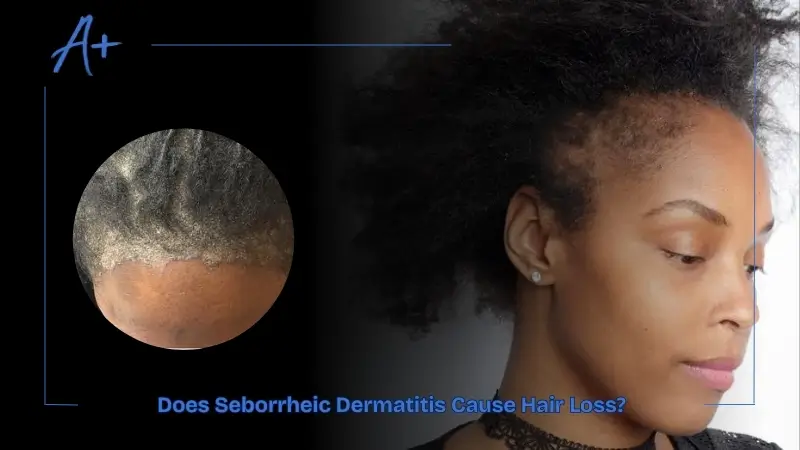
Seborrheic dermatitis is a common, yet often misunderstood, scalp condition that can lead to discomfort, irritation, and even hair loss.
The inflammation caused by this condition, along with the overgrowth of yeast on the scalp, can disrupt the natural hair growth cycle and cause temporary hair shedding.
Our specialists regularly encounter patients concerned about whether seborrheic dermatitis is responsible for their thinning hair or increased hair fall.
The answer is that seborrheic dermatitis can indeed cause hair loss, but it is typically temporary and reversible with the right treatment.
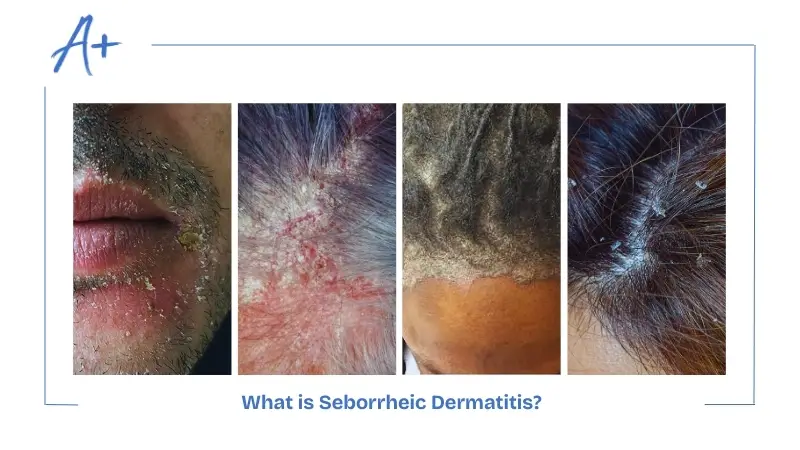
- Redness and irritation on the skin.
- Greasy or oily patches of skin, often covered with flaky, white to yellow scales.
- Itching or discomfort in the affected areas.
While seborrheic dermatitis is not contagious, it can lead to significant discomfort, especially when it affects the scalp, which may result in visible flakes and the sensation of an itchy, inflamed scalp.
What Causes Seborrheic Dermatitis?
The exact cause of seborrheic dermatitis isn’t fully understood, but there are several factors that play a role in its development:
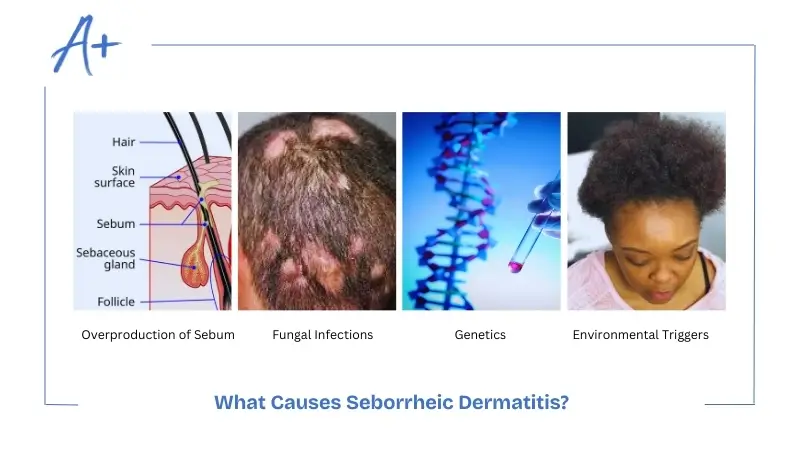
- Overproduction of Sebum: Seborrheic dermatitis is often associated with an overproduction of sebum (oil) in the skin. This excess oil provides a breeding ground for Malassezia, a type of yeast that naturally lives on the skin. When this yeast overgrows, it can lead to inflammation and the characteristic symptoms of seborrheic dermatitis.
- Fungal Infections: Malassezia can cause further irritation on the scalp, which can make the skin inflamed and prone to scaling. In some individuals, the immune system may react to this overgrowth, leading to the chronic symptoms of seborrheic dermatitis.
- Genetics and Hormones: Hormonal changes, particularly during puberty, pregnancy, or with certain medical conditions, can exacerbate seborrheic dermatitis. Additionally, people with a family history of skin conditions like eczema or psoriasis are more likely to develop seborrheic dermatitis.
- Environmental Triggers: Factors like cold weather, stress, or certain skin care products can trigger flare-ups.
Can Seborrheic Dermatitis Cause Hair Loss?
The simple answer is yes, seborrheic dermatitis can lead to temporary hair loss. Here’s how:
Inflammation and Hair Follicle Disruption
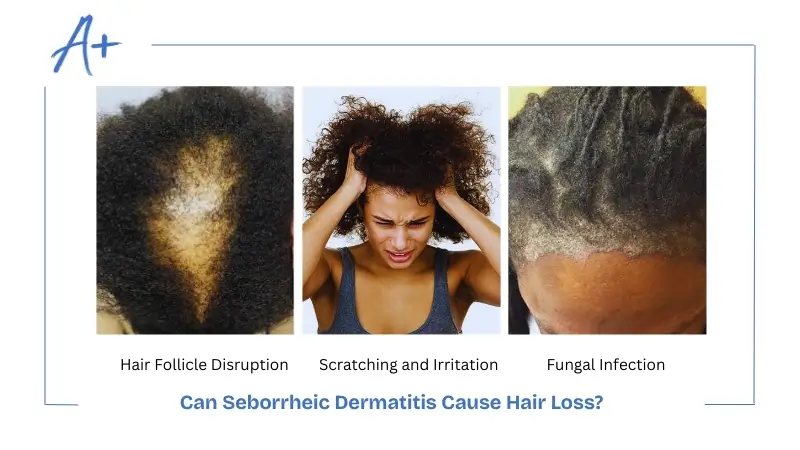
Seborrheic dermatitis causes inflammation on the scalp, which can disrupt the normal hair growth cycle. Inflammation can damage hair follicles, leading to temporary shedding or thinning of hair.
When the scalp becomes inflamed due to seborrheic dermatitis, the hair follicles become weakened. This weakens the hair growth process and can lead to hair shedding. However, it’s important to note that this hair loss is usually reversible. Once the inflammation is controlled, hair growth can resume.
Scratching and Irritation
The intense itching associated with seborrheic dermatitis often leads people to scratch their scalp. Unfortunately, scratching the inflamed areas can result in further irritation and physical damage to the hair follicles. This repetitive trauma can exacerbate hair loss, making the hair more prone to shedding.
Fungal Infection and Sebum Build-Up
The overproduction of sebum (oil) on the scalp, combined with fungal overgrowth, can clog hair follicles. This creates a cycle where follicles become blocked, leading to scalp inflammation and hair loss.
Additionally, the inflammatory response triggered by Malassezia can affect the hair follicles directly, hindering their ability to produce hair.
Is it Temporary or Permanent Hair Loss?
The good news is that in most cases, hair loss from seborrheic dermatitis is temporary. Once the underlying condition is managed and inflammation is reduced, hair growth can typically resume. However, if seborrheic dermatitis is left untreated or becomes severe, it may cause lasting damage to hair follicles, leading to more permanent hair loss.
Our specialists advise seeking treatment early to prevent any long-term effects on hair growth.
Risk Factors That Increase Hair Loss in Seborrheic Dermatitis
While seborrheic dermatitis can cause hair loss, certain factors may increase the likelihood or severity of the condition:
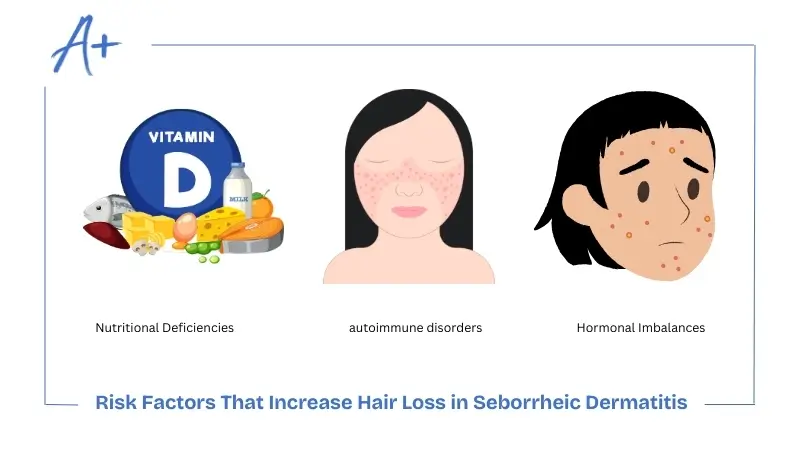
- Nutritional Deficiencies: Low levels of key vitamins like Vitamin D3, Zinc, and Iron (Ferritin) can impair scalp health and exacerbate the effects of seborrheic dermatitis. These deficiencies can make hair more prone to shedding.
- Existing Health Conditions: People with conditions such as psoriasis, eczema, or autoimmune disorders are more likely to experience severe outbreaks of seborrheic dermatitis and related hair loss.
- Stress and Hormonal Imbalances: Hormonal changes during pregnancy, menopause, or stress-related conditions can worsen seborrheic dermatitis and increase the risk of hair loss.
How to Prevent and Treat Hair Loss from Seborrheic Dermatitis
Fortunately, there are several effective ways to manage seborrheic dermatitis and prevent hair loss. Here’s what our doctors recommend:
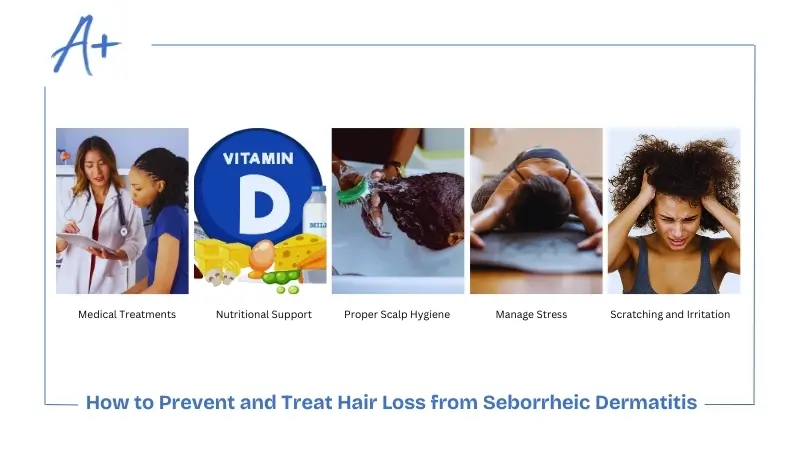
1. Medical Treatments for Seborrheic Dermatitis
-
- Anti-fungal Shampoos: Shampoos containing ketoconazole, zinc pyrithione, or selenium sulfide can help control the overgrowth of Malassezia, reducing inflammation and preventing further hair loss.
- Topical Corticosteroids: For more severe flare-ups, topical steroids may be prescribed to reduce inflammation and itching, allowing hair follicles to recover.
- Salicylic Acid: This ingredient is often found in shampoos for treating seborrheic dermatitis. It helps to reduce scales and flakes on the scalp, clearing the way for healthy hair growth.
Also Read About: Shampoo for Hair Transplant
2. Nutritional Support for Healthy Hair
Nutritional deficiencies can contribute to both seborrheic dermatitis and hair loss. Ensuring that your body has optimal levels of Vitamin D3, Zinc, and Ferritin (iron) can help to improve the health of your scalp and hair follicles. Our specialists recommend getting a blood test to check for deficiencies and adjust your diet or supplementation accordingly.
3. Proper Scalp Hygiene
It’s important to maintain proper scalp hygiene when dealing with seborrheic dermatitis. Here’s what you can do:
-
-
- Shampoo Regularly: Use a medicated shampoo specifically designed for seborrheic dermatitis. Shampooing regularly helps to reduce sebum build-up and keeps the scalp clean.
- Avoid Harsh Chemicals: Avoid using products with harsh chemicals that can exacerbate irritation on the scalp. Stick to gentle, soothing shampoos and conditioners.
-
4. Manage Stress and Hormonal Health
Stress and hormonal imbalances can worsen seborrheic dermatitis and contribute to hair loss. Managing stress through relaxation techniques, exercise, and adequate sleep can have a positive impact on both your scalp health and hair growth. If you suspect hormonal imbalances, consulting with a healthcare provider can help to get back on track.
5. Avoid Scratching and Irritation
As tempting as it may be to scratch an itchy scalp, our dermatologists advise against it. Scratching can further inflame the scalp and worsen hair loss. Use gentle methods to relieve itching, such as applying cooling aloe vera gel or anti-inflammatory scalp treatments.

 Chat on Whatsapp