
Rice water has become a popular natural remedy for hair growth and strengthening, with many people swearing by its benefits. Rich in amino acids, vitamins, and minerals, it’s said to promote healthy hair, boost hair growth, and improve hair texture.
However, despite its potential, overuse of rice water can have significant side effects on your hair, which may be damaging if not used properly.
Our specialists warn that while rice water can indeed be a beneficial hair treatment, its high protein content can lead to dryness, brittleness, and even breakage if applied too frequently.
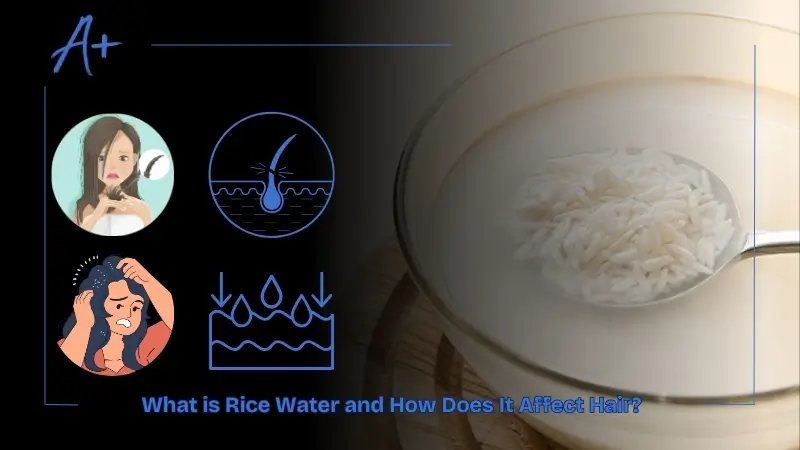
Rice water is the starchy liquid left over after soaking or boiling rice. It contains beneficial nutrients such as inositol, a carbohydrate that can penetrate the hair shaft to strengthen and protect the hair. Additionally, rice water contains amino acids and proteins, which help rebuild damaged hair and support hair growth.
However, while rice water is beneficial in moderation, using it excessively or improperly can lead to hair damage, including dryness, breakage, and brittleness. Here’s why:
1. Overuse of Protein Can Lead to Excessive Dryness
One of the most common side effects of rice water is dry, brittle hair. Rice water is highly protein-rich, and when applied too frequently, it can create an overload of protein on the hair strands.
Protein overload can make hair feel stiff and dry because it builds a protective barrier that prevents moisture from entering the hair shaft.
Our specialists caution that overusing protein treatments like rice water can cause hair to become excessively dry, leaving it vulnerable to damage.
The more protein you apply, the harder it is for moisture to penetrate, which can result in hair that feels straw-like and unmanageable. In extreme cases, excessive dryness can even lead to hair breakage.
2. Hair Breakage Due to Protein Build-Up
Rice water, when over-applied, can make the hair too hard, leading to increased brittleness. Our hair care experts warn that hair strands can snap off more easily if they are coated with a layer of rice water every day, especially when subjected to physical manipulation like brushing or combing.
Hair breakage occurs when your hair is in a fragile state, and constant manipulation causes it to snap or split. The protein build-up on the hair shaft weakens its elasticity, making it more prone to breaking, especially if you’re styling or pulling your hair into tight styles.
If you’re noticing more hair strands on your comb or brush, or if your hair feels weak and breaks easily, it might be a sign that you’re using rice water too often.
3. Scalp Irritation
When rice water is applied directly to the scalp, it can also cause scalp irritation. The protein coating that forms on your hair can also extend to your scalp, leading to a build-up of residue that clogs hair follicles and prevents the natural oils from nourishing your scalp properly. This often results in itchiness or even inflammation.
Our dermatologists explain that a build-up of proteins on the scalp can cause discomfort, and in some cases, it may exacerbate conditions like dandruff or seborrheic dermatitis. If you experience persistent itching, redness, or flaking after using rice water, it’s crucial to stop using it and consult a professional.
4. Rice Water’s Effect on Low Porosity Hair
People with low porosity hair may find rice water particularly problematic. Low porosity hair tends to have tightly closed cuticles, which makes it difficult for moisture to penetrate the hair shaft.
If you apply rice water regularly, it can form a thick protein layer that blocks moisture absorption altogether, leaving your hair feeling dry, stiff, and unmanageable.
Our hair specialists recommend that if you have low porosity hair, you should avoid frequent use of rice water. Instead, opt for treatments that provide moisture rather than protein, such as aloe vera, honey, or glycerin. This will ensure that your hair stays hydrated and nourished without the risk of protein overload.
5. Rice Water’s Impact on Hair Elasticity and Softness
While rice water can initially make your hair feel softer, prolonged use can reduce its elasticity. Our experts emphasize that hair with good elasticity is less likely to break under stress.
When protein treatments are used excessively, however, they can lead to loss of elasticity, which means your hair will be more likely to snap when styled or manipulated.
The softness that rice water imparts may actually be a false indicator of hair health. Soft hair might seem desirable, but it can be a sign that the protein treatment is weakening your hair’s structure, causing it to feel smooth but fragile.
How to Safely Use Rice Water for Hair Care
If you’re keen on incorporating rice water into your hair care routine, here are some guidelines to help you do so safely:
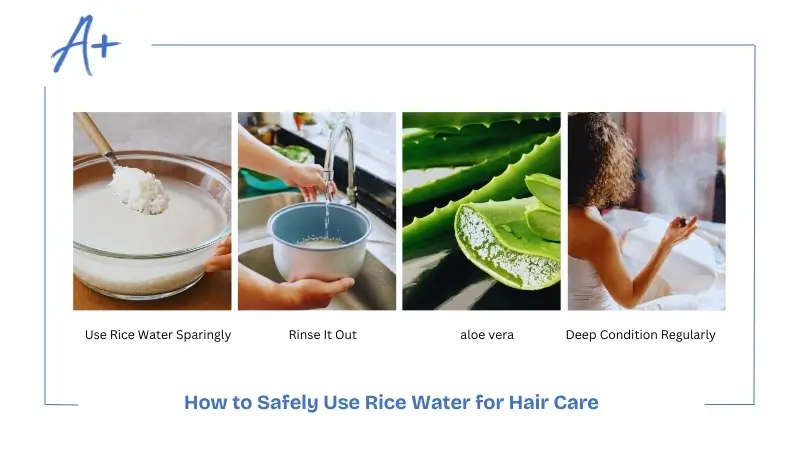
- Use Rice Water Sparingly: Our specialists recommend using rice water once a week or once a month depending on your hair needs. Overuse can lead to protein buildup and dryness.
- Rinse It Out: Always rinse the rice water out of your hair. Leaving rice water in the hair for too long can cause protein to build up, leading to dry, brittle hair and scalp irritation.
- Mix with Other Ingredients: To reduce the impact of protein overload, mix rice water with ingredients like fenugreek, aloe vera, or essential oils. This combination can add moisture and reduce the risk of damage.
- Deep Condition Regularly: After using rice water, always deep condition your hair with a moisturizing mask. This will help restore moisture and balance out the protein effect.
- Monitor Your Hair’s Response: Pay close attention to how your hair responds to rice water. If you notice signs of dryness, breakage, or irritation, reduce the frequency of use or stop using rice water altogether.

 Chat on Whatsapp