
Hair loss in women can be a challenging and often frustrating experience. For many women, androgenetic alopecia (female pattern hair loss) is a primary cause of thinning hair, affecting both confidence and self-esteem.
In recent years, Dutasteride, a medication originally used to treat benign prostatic hyperplasia (BPH) in men, has gained attention for its potential to treat female hair loss.
By inhibiting 5 alpha-reductase, an enzyme responsible for converting testosterone into the potent hormone dihydrotestosterone (DHT), Dutasteride helps to prevent the shrinkage of hair follicles caused by DHT, offering promising results for some women experiencing thinning or shedding hair.
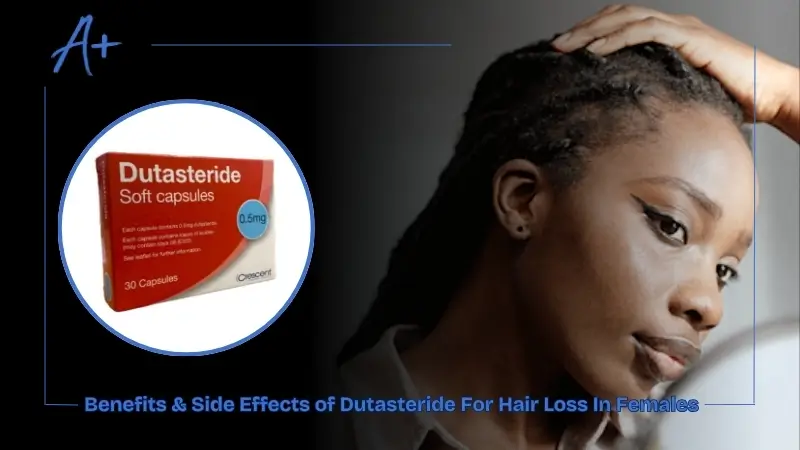
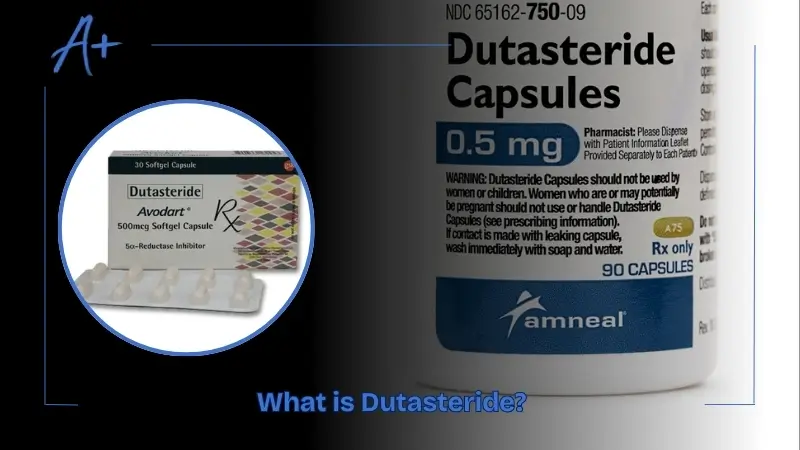
Dutasteride belongs to a class of drugs known as 5 alpha-reductase inhibitors. This enzyme-blocking medication works by inhibiting the 5-alpha reductase enzyme, which is responsible for converting testosterone into dihydrotestosterone (DHT).
DHT is a potent hormone that binds to hair follicles, causing them to shrink, leading to hair thinning and eventual hair loss.
Although Dutasteride is primarily prescribed for benign prostatic hyperplasia (BPH), a condition affecting the prostate in men, its off-label use for male pattern baldness has made it a topic of interest in treating female hair loss, particularly androgenetic alopecia.
How Does Dutasteride Work in Treating Hair Loss?
Here’s how Dutasteride can help:
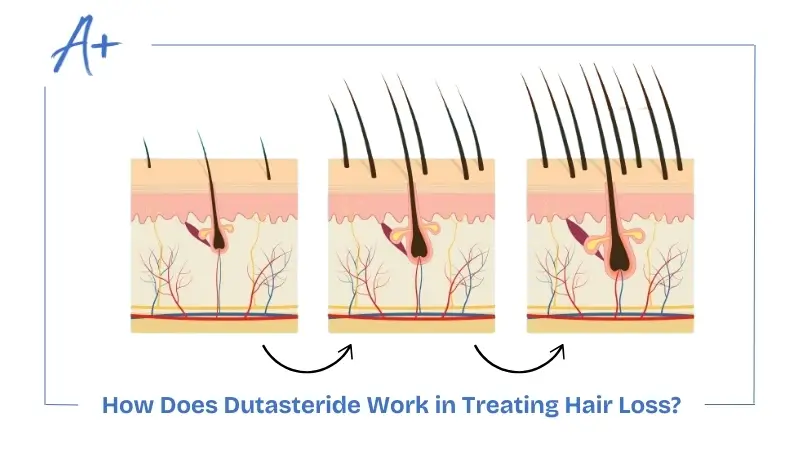
- Inhibits DHT production: By blocking the conversion of testosterone into DHT, Dutasteride reduces DHT levels in the scalp. Without the excess DHT, hair follicles are less likely to shrink, promoting hair growth and preventing further hair loss.
- Supports follicular health: With less DHT binding to receptors on hair follicles, the follicles are allowed to regenerate, resulting in thicker and stronger hair over time.
Studies indicate that Dutasteride has shown promise in regrowing hair in some women with androgenetic alopecia. In one study, 83% of women taking a low dose of Dutasteride (0.15 mg per day) saw significant improvement in hair thickness, and 66% experienced an increase in hair density over three years.
While these results are encouraging, more research is needed to fully establish the efficacy of Dutasteride for women.
Why Isn’t Dutasteride a First-Line Treatment for Women?
While Dutasteride can be effective for some women, it is not typically the first choice for treating female hair loss. The reason? Hair loss in women can be caused by a variety of factors, and not all cases are related to DHT levels.
Our specialists emphasize the importance of accurate diagnosis before opting for Dutasteride. If hair loss is not associated with elevated DHT levels, taking Dutasteride may not offer any benefits, and the potential side effects could outweigh its effectiveness.
That’s why treatments like minoxidil or spironolactone, which are FDA-approved for female hair loss, are usually tried first.
Additionally, female hair loss often results from factors beyond androgenetic alopecia, including stress, nutritional deficiencies, hormonal imbalances, and autoimmune disorders. It’s important to assess all potential causes of hair loss before proceeding with any treatment.
What Are The Risks and Side Effects of Dutasteride in Women
While Dutasteride can offer relief for some women with hair loss, it’s important to be aware of potential side effects. These can be significant, especially for premenopausal women.
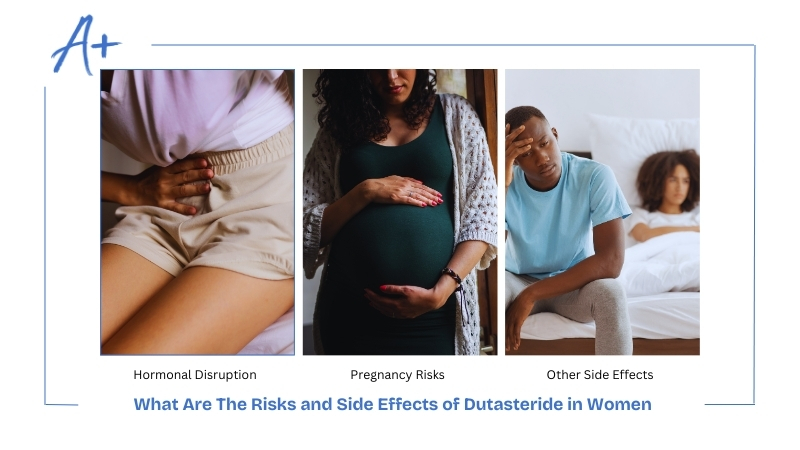
- Hormonal Disruption: Dutasteride affects testosterone and DHT levels, which can interfere with the natural hormonal balance in women. Some women may experience changes in their menstrual cycle, as the drug can impact progesterone levels, a hormone vital for regulating periods.
- Pregnancy Risks: Dutasteride carries serious risks for pregnancy. Women who are pregnant or planning to conceive should avoid Dutasteride at all costs. The drug can affect male fetal development, potentially causing birth defects in the reproductive organs. Our doctors strongly advise that women of childbearing age not use Dutasteride unless they are absolutely certain they will not become pregnant.
- Other Side Effects: Like any medication, Dutasteride comes with a range of potential side effects, including decreased libido, erectile dysfunction, and gynecomastia (enlargement of male breast tissue), though these are more commonly reported in men.
To minimize the risks associated with Dutasteride, a proper assessment by a hair loss specialist is necessary to determine whether the treatment is suitable for you.
Topical Dutasteride: A Safer Alternative for Women?
Given the concerns about systemic side effects, there is growing interest in topical Dutasteride as a safer alternative for women. Topical treatments are applied directly to the scalp, which may reduce the risk of side effects affecting other parts of the body.
While evidence supporting the effectiveness of topical Dutasteride is still limited, it may provide an option for women who want to avoid the systemic effects of oral Dutasteride.
Topical applications could potentially lower the risk of pregnancy-related complications and hormonal disruptions since less of the drug enters the bloodstream.
Our specialists believe that topical Dutasteride could be a promising treatment option for postmenopausal women, as the risks of pregnancy are significantly reduced. However, more studies are required to fully understand its safety and efficacy.
Is Dutasteride Right for You?
Whether Dutasteride is the right treatment for your hair loss depends on several factors, including the cause of your hair thinning, your age, and your overall health.
Our hair loss experts stress the importance of a comprehensive diagnosis. Blood tests, a thorough medical history, and trichological exams can help determine whether DHT is playing a role in your hair loss and whether Dutasteride would be effective.
If you are a postmenopausal woman with DHT-related hair loss, Dutasteride might be an option to consider, but only after discussing it with a qualified doctor. Women in their reproductive years should avoid Dutasteride due to the risks during pregnancy.
What Are Other Treatment Options for Female Hair Loss
While Dutasteride may be effective for some women, it’s not the only option. Here are some other treatments that are commonly used:
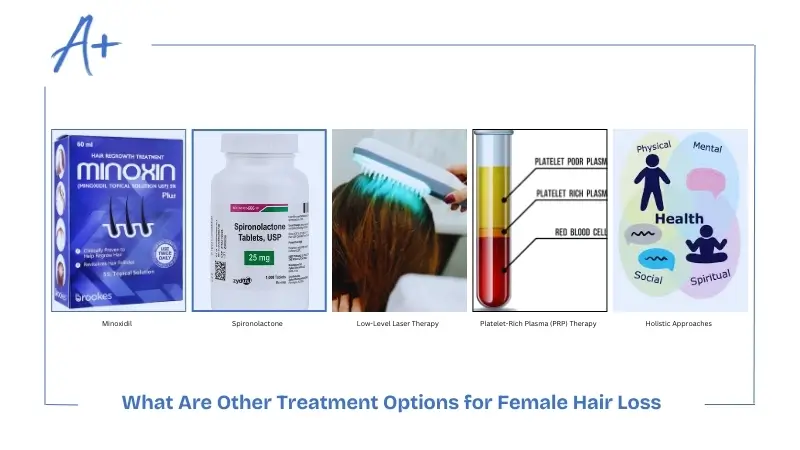
- Minoxidil: The most widely recommended over-the-counter treatment for female hair loss. Minoxidil has been shown to stimulate hair growth and is often the first treatment prescribed for women.
- Spironolactone: This medication, often prescribed for women with androgenetic alopecia, helps block the effects of male hormones that contribute to hair thinning.
- Low-Level Laser Therapy: This non-invasive treatment uses light to stimulate hair growth and improve follicle health.
- Platelet-Rich Plasma (PRP) Therapy: A treatment that involves injecting your own blood platelets into the scalp to promote hair regrowth.
- Holistic Approaches: Addressing underlying health issues such as nutritional deficiencies, stress management, and hormone balance can also be crucial for improving hair health.
Frequently Asked Questions:
How long does Dutasteride take to work for hair loss in females?
Dutasteride typically shows noticeable results for hair loss within 6 to 12 months. During this period, you may observe increased hair density, and areas of thinning can show significant hair regrowth.
Why is Dutasteride not approved for hair loss?
Dutasteride has not been FDA approved for hair loss due to the lack of sufficient clinical studies confirming its effectiveness specifically for this purpose. It is FDA-approved for BPH (Benign Prostatic Hyperplasia) but can be prescribed off-label for hair loss treatment.
What are the two side effects of Dutasteride?
The most common side effects of Dutasteride include sexual dysfunction (such as reduced libido and erectile dysfunction) and disruption of menstrual cycles in women. These side effects may vary in severity among individuals.
How to tell if Dutasteride is working?
You can tell if Dutasteride is working by observing reduced hair shedding and the appearance of new hair growth. Additionally, improvements in hair density and scalp coverage are signs that the treatment is effective.
What to avoid when taking Dutasteride?
When taking Dutasteride, it is important to avoid pregnancy, as the drug can harm a male fetus. Women, especially those who are pregnant or planning to become pregnant, should avoid handling Dutasteride tablets. Additionally, consult your doctor about any other medications you are taking to avoid interactions.

 Chat on Whatsapp